The Meal Nobody Photographs: Getting Crew Catering Right Behind the Scenes
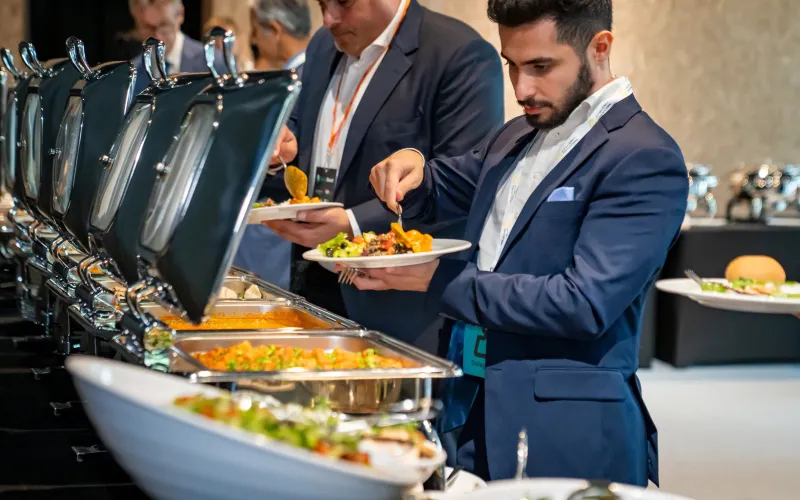
Photo: catering staff serving hot food to event crew behind the scenes, via www.tgpinternational.com
There is a meal served at almost every wedding and large event that appears in no photograph, receives no applause, and is eaten standing up, quickly, by people you will never meet. It is the crew meal — and in our experience, how it is handled tells you more about an event's prospects than any tasting menu ever could.
Who Is Actually Working Your Event
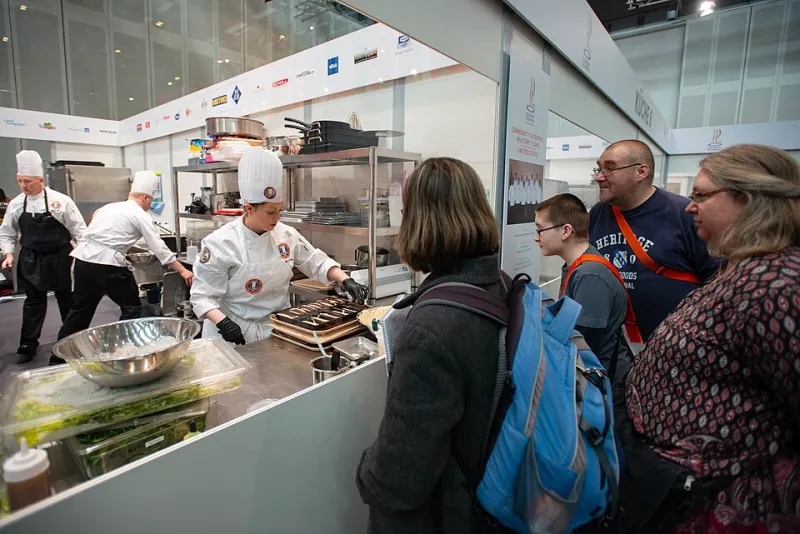
Picture the wedding day at a country house venue. By seven in the morning, the florist has been on site for two hours. The marquee crew started rigging the night before. Sound and lighting engineers, photographers with ten-hour call times, a band unloading a van, venue coordinators, and our own kitchen brigade — twenty, thirty, sometimes forty people are working flat out to make the day seamless.
Almost none of them will sit down between breakfast and midnight. And food, unlike equipment, is not something professionals can simply forget about without consequence. A photographer four hours past lunch is a photographer whose patience, precision and good humour are measurably declining. Hunger does not stay behind the scenes; it leaks into the day.
The Hidden Liability Planners Overlook
Event planners insure against weather, cancellation and supplier no-shows. Very few plan for the operational risk of an unfed supply chain. Yet a dizzy or irritable rigger on a ladder, a DJ making errors because their blood sugar has collapsed, or a vendor leaving early because they have hit a wall — these are real, avoidable failure points.
There is a further wrinkle: many venues' staff canteens close before the evening, and freelance crew frequently receive no food provision at all unless it is written into their contract. The responsibility then drifts, unplanned, to whoever notices first. In our experience, that person is usually standing in a kitchen.
Getting Crew Meals Into the Contract
The solution is unromantic but effective: put food in writing. When booking suppliers, ask them to specify crew meal requirements as part of their terms — number of people, dietary needs, and service time. Most experienced wedding suppliers will have a figure ready; those who do not will appreciate being asked.
Similarly, when engaging a caterer, request that crew and vendor catering be quoted as a distinct line item rather than absorbed invisibly. Transparency here protects everyone, and it allows you to compare quotes genuinely rather than discovering a £400 discrepancy on the day.
What Does It Actually Cost?
Crew catering need not be elaborate, and it should not be priced like guest catering. Realistic UK per-head costs look like this:
- Breakfast service (bacon or vegan roll, tea and coffee): £3–£5 per head
- Hot lunch or supper (one-pot dish such as chilli, curry or a hearty pie, plus a vegetarian option, bread and a biscuit): £7–£12 per head
- All-day graze station (sandwiches, fruit, flapjacks, unlimited tea and coffee): £8–£15 per head
For a typical wedding with a twelve-person crew, a hot supper for all plus a breakfast roll for the early riggers might total £120–£160. Set against a wedding budget of many thousands, it is rounding error. Set against the alternative — a hangry photographer at hour nine — it is arguably the best value in the entire budget.
What Good Crew Food Looks Like
The principles differ from guest catering in one important way: speed and substance over ceremony.
- Serve it early and fast. Crew eat in rotation, in shifts, often in a back room. Hot food must be ready the moment they walk in.
- One-handed wins. A proper filled roll beats a plated salad when someone has ten minutes.
- Feed them like adults. A lukewarm pizza and a lukewarm apology is a false economy. A proper hot dish — our crew suppers lean on things like sausage and bean casserole or a rich vegetable curry — signals respect, and respect is repaid in effort.
- Remember dietary needs. Crew teams are as varied as guest lists. Ask in advance; it takes one email.
A Small Courtesy With Outsized Returns
There is a quieter argument too, one that has nothing to do with risk management. Events are made by dozens of people working at full tilt for hours on end, largely unseen. Feeding them well is simply the decent thing to do — and decency, in the events industry, has a habit of coming back around. Suppliers remember the planners and caterers who looked after them. They rebook, they recommend, and on the difficult days, they go the extra mile.
The crew meal will never make the wedding album. But on the day itself, everyone in the building will feel the difference it makes.