The Ripe Advantage: Building Event Menus Around the British Growing Season
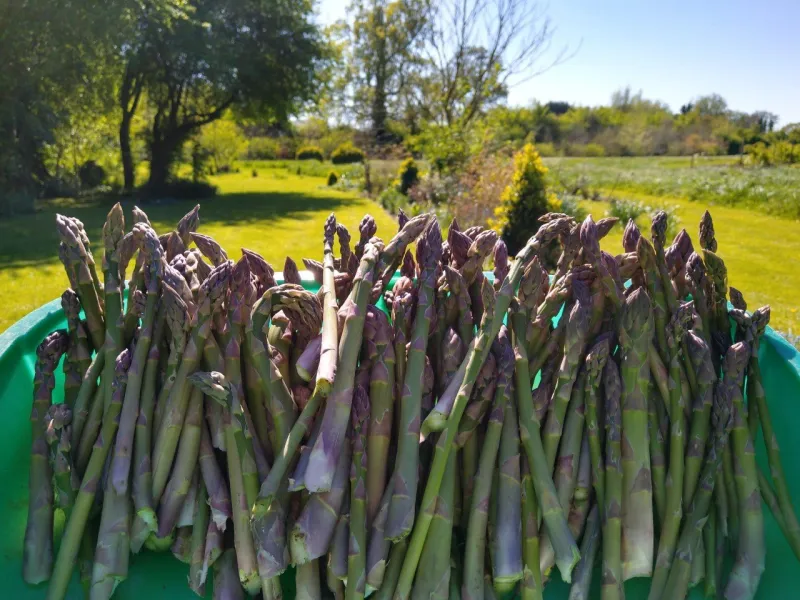
Photo: fresh british seasonal vegetables asparagus farm produce market, via images.squarespace-cdn.com
There is a moment every May, usually around the second week, when the first British asparagus arrives. For a fortnight or three, it is everywhere — snapped up by restaurants, greengrocers and caterers alike — and then, as abruptly, it is gone until next year. We plan entire wedding menus around that window, and we've never once regretted it.
This is the argument for seasonal catering in its simplest form: British produce at its peak is unbeatable, and building an event menu around the calendar rather than against it produces food that is fresher, cheaper and more memorable. Here's why, and how to do it.
Why Seasonal Means Better on the Plate
Produce eaten in season has been allowed to ripen naturally, close to where it's served. Out-of-season asparagus flown from Peru, or strawberries in January from a heated polytunnel, simply cannot compete on flavour. For an event — where the food is the centrepiece of the occasion — that difference is not a nicety. It is the meal.
Seasonality also shrinks the supply chain. Shorter distances mean fewer food miles, less refrigeration and a smaller carbon footprint, which increasingly matters to couples and corporate clients alike. And because peak-season gluts bring prices down, a seasonal menu often costs less to produce than its imported equivalent — savings we can pass on or reinvest in better ingredients.
The British Catering Calendar
A month-by-month sketch of what we build menus around:
- January–February: Hardy and restorative — kale, cavolo nero, forced rhubarb from Yorkshire, and the tail end of the game season. Braises and slow-cooked dishes suit winter weddings beautifully.
- March–April: The first spring greens, radishes and purple sprouting broccoli. Lamb comes into its own as Easter approaches.
- May–June: The asparagus fortnight, then British strawberries, broad beans and new potatoes. Early summer is arguably the strongest catering month of the year.
- July–August: Peak abundance — courgettes, tomatoes, gooseberries, raspberries and fresh herbs. Cold starters and grazing menus shine.
- September–October: Damsons, plums, blackberries, cobnuts and the return of game. This is the month for a fruit-forward wedding dessert table.
- November–December: Root vegetables, brassicas, chestnuts and the festive game calendar — pheasant, duck and venison for colder-weather celebrations.
Seasonality as a Selling Point
For event planners, a seasonal menu is more than a cost strategy — it is a narrative. 'A June wedding menu: Wye Valley asparagus with a soft-boiled egg, followed by Cornish hake and Jersey Royals, finished with English strawberry pavlova' reads like a love letter to the county it's served in. Guests notice. Clients remember.
It also answers the sustainability question before it's asked. A menu rooted in the British growing season, sourced from named farms within the region, is a story of lower food miles and support for local producers — a genuine differentiator when a client is comparing caterers.
One Practical Caveat
Seasonal catering rewards early planning. If you want May asparagus, book in the winter; if you want September damsons, commit by early summer. The finest produce of the year is finite, and the caterers who serve it are the ones who reserved it months in advance.
Eat with the seasons, and every event tastes of the moment it was held. That, more than any trend or flourish, is what makes food worth talking about the morning after.