More Than a Mouthful: Making the Most of Your Wedding Tasting
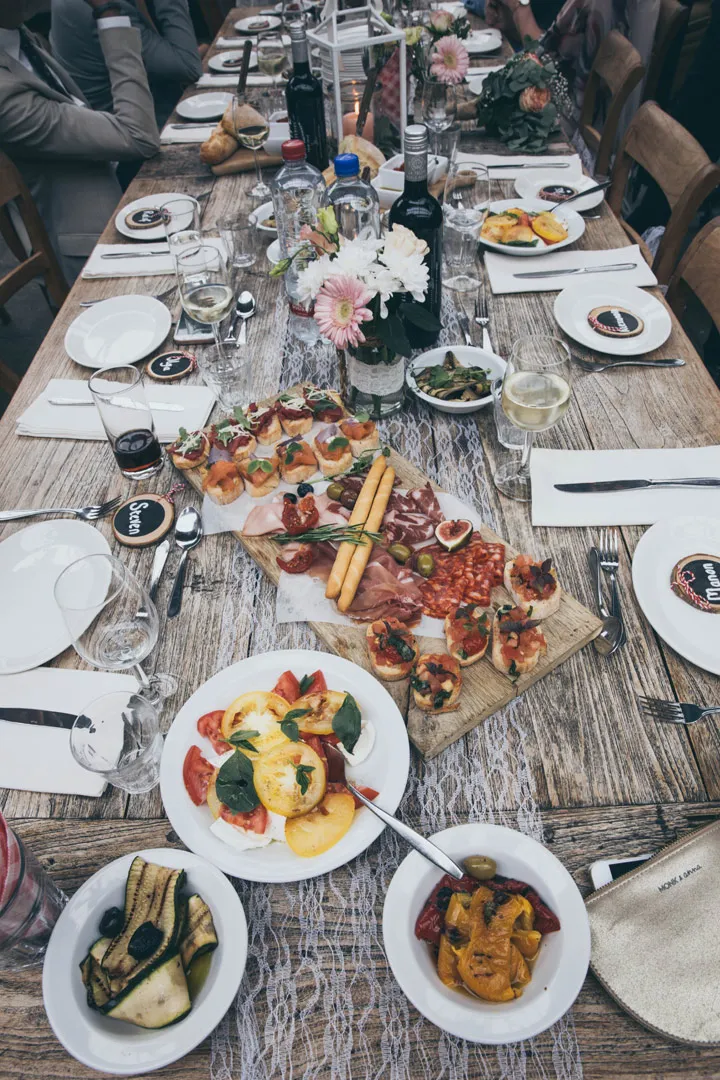
Photo: wedding menu tasting session couple chef table, via s3.amazonaws.com
For most couples, the tasting is the first time the wedding stops being an abstract spreadsheet of guests, deposits and seating plans and becomes something you can actually smell. It is also, unfortunately, the stage at which perfectly good caterers get dismissed for perfectly silly reasons — and mediocre ones get booked because the canapés arrived on a nice slate.
Handled well, a tasting is less an audition and more a working session between two teams who share a goal. Here is how to get the most from yours.
Arrive Prepared, Not Starving
The most common mistake is treating the tasting as a three-course blowout. It isn't lunch. You will be asked to try several versions of several dishes, and palate fatigue is real — by the fourth ballotine of the afternoon, everything tastes of ambition and pinot noir.
Eat lightly beforehand, skip the strong coffee, and don't book a dentist appointment immediately after. Bring your partner or, at most, one other decision-maker. We have hosted tastings for parties of six, and by the pudding course the conversation has stopped being about food and started being about logistics.
What to Look For Beyond Flavour
Of course the food matters — this is MN Catering, not a management consultancy. But flavour is the one thing you can already infer from a good menu proposal. What a tasting actually reveals is everything else:
- Presentation at room temperature. Ask to see dishes as they'd arrive at a marquee in July, not as they leave a kitchen at full heat.
- Portion honesty. Is that starter generous enough for a hungry uncle, or is it architectural?
- How the team handles your tweaks. Watch how they respond when you ask for a change. Defensive? Delighted? That reaction tells you more about the wedding day than any single dish.
- Dietary confidence. A caterer who treats your vegan guests' plates as an afterthought at the tasting will treat them as an afterthought on the day.
Giving Feedback That Actually Helps
"It was lovely, thank you" is the most useless sentence in the catering lexicon. "The pork was lovely but the apple felt like a garnish rather than a partner" is gold — it gives the kitchen something to act on.
Be specific, be honest, and be proportionate. If a dish misses, say what's missing: seasoning, texture, temperature, balance. If something delights you, say that too, so it doesn't get 'refined' into something safer. And where you and your partner disagree — and you will — say so. We have built final menus around a well-argued disagreement at the tasting table.
What Caterers Wish You Knew
A few honest notes from behind the pass:
- Seasonality is a constraint, not an excuse. If you're marrying in February, that tomato and burrata starter will taste of regret. Trust the menu built around your date.
- The tasting is a snapshot, not a guarantee. Kitchens refine between tasting and wedding. That's a good thing.
- Budget conversations at the tasting are welcome. It's far easier to adjust a dish on the day you're tasting it than three weeks out.
Your Tasting Checklist
- Confirm who's attending and keep the party small
- Eat lightly beforehand; bring water
- Bring your final (or near-final) guest numbers and dietary breakdown
- Prepare specific feedback: seasoning, portion, presentation, balance
- Ask how dishes will hold at your venue, at your time of year
- Discuss timings: when courses land relative to speeches
- Note any tweaks agreed, in writing, before you leave
- Leave knowing the next step and the deadline for final menu confirmation
A Collaboration, Not a Cross-Examination
The best tastings we host end with the couple talking about their guests — who'll love the slow lamb, which friend will demand the pudding recipe — rather than interrogating the cutlery. That shift matters. Your caterer wants the food to be the thing people mention on the drive home; you want the same thing. Arrive as collaborators and you'll both get there.
Book the tasting, ask the awkward questions, argue about the apple. That's how good wedding menus are made.