Feast for the Eyes, Feast for the Table: A Caterer's Honest Verdict on Grazing Displays

Photo: Internet Archive Book Images, No restrictions, via Wikimedia Commons
A Format Born of the Feed
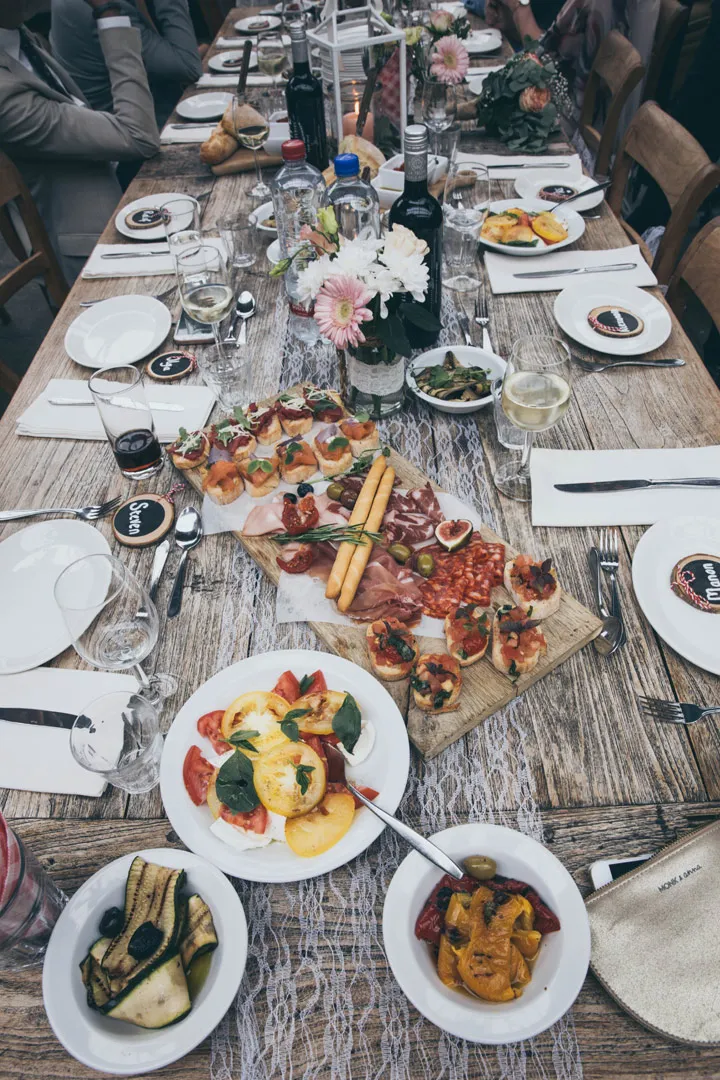
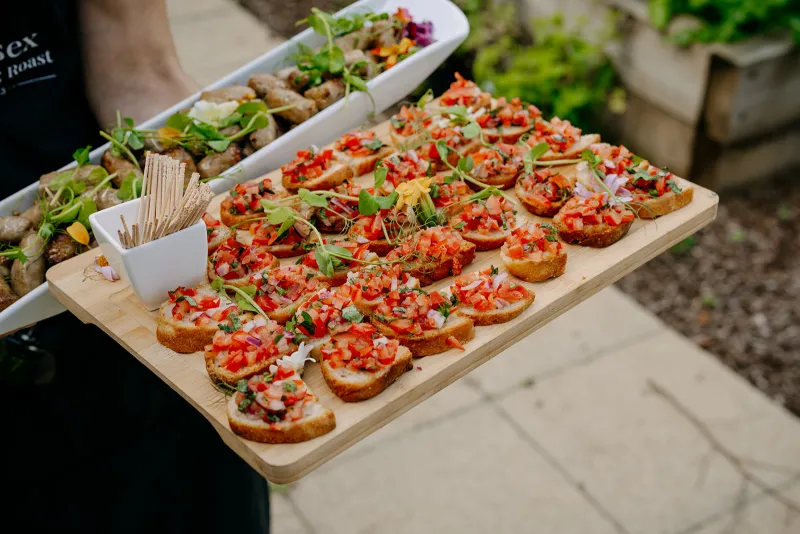
There was a time when a wedding breakfast meant one thing: a plated starter, a choice of two mains, and a dessert that arrived under a silver cloche. Then came the grazing table — a sprawling, abundant landscape of cured meats, artisan cheeses, seasonal fruit and sourdough torn into generous shards — and with it, a quiet revolution in how we think about feeding a room.
It is tempting to be cynical. The grazing table was, in many respects, engineered for the camera. Its proportions are theatrical; its colours are arranged with a florist's eye. Yet to dismiss it as mere decoration would be to miss why it has endured well beyond its social media moment. Done properly, a grazing display is not a photograph waiting to happen. It is a genuine serving format — with distinct advantages, and equally distinct limitations that every planner should understand before committing.
What Grazing Gets Genuinely Right
The strongest argument for shared feasting is social. A seated, plated dinner imposes a structure: guests remain with their place settings, conversation is fixed, and the meal runs to the kitchen's rhythm. A grazing table dissolves that formality. People circulate, cluster, return. At corporate receptions especially — a drinks reception in Manchester, a client launch in Bristol — we have watched the display become the natural centre of the room, drawing together colleagues who might otherwise never leave their corners.
There is a practical benefit too. For events with a wide arrival window or an uncertain headcount, a continuous display absorbs the flow gracefully. Nobody waits for a course. Nobody watches a half-empty plate while the next table is served.
The Practicalities That Photographs Hide
That said, an honest assessment must confront the drawbacks, because they are real.
Food safety comes first. Perishable items — soft cheeses, cured meats, dressed salads — cannot sit at ambient temperature indefinitely. A responsible caterer builds the display in stages, replenishing from chilled backup rather than laying everything out at once, and retires items after a defined window. Ask any prospective caterer how they manage this; the answer will tell you a great deal about their operation.
Portions are deceptively difficult. A plated service guarantees every guest an identical quantity. A grazing table relies on pacing — and on guests exercising a restraint that, after a glass of Prosecco, cannot be guaranteed. We plan grazing quantities at roughly 1.3 times the equivalent canapé count, and we still watch the front-loaded items vanish.
Accessibility matters. Guests using wheelchairs, children, and anyone shorter than six feet all need to reach the display comfortably. Low, stepped arrangements with clear approaches are not an aesthetic choice — they are a basic courtesy. Similarly, allergen labelling on an open display is harder than on a plated course, and it must be handled with visible signage and attentive staff, not assumptions.
When the Format Works — and When It Doesn't
In our experience, grazing tables excel in three settings: drinks receptions and arrivals, where they bridge the gap until the main event; informal evening celebrations and post-ceremony receptions; and corporate networking events, where the format actively encourages movement and conversation.
Where they struggle is as the centrepiece of a formal wedding breakfast. Guests in evening dress, seated at a dressed table, expect a meal — not an invitation to queue. If a couple loves the grazing aesthetic, we often suggest a hybrid: a substantial display for the reception, followed by a plated main. It delivers the theatre and the substance in equal measure.
Our Verdict
The grazing table is neither a gimmick nor a revolution. It is a tool — a brilliant one, in the right hands and the right setting. What it demands is a caterer who treats it as service, not spectacle: who plans quantities honestly, manages temperature rigorously, and labels allergens clearly.
If you are considering a grazing format for your event, ask the awkward questions early. The best displays look effortless precisely because nothing about them is.