No Announcement Required: The Quiet Brilliance of Catering That Explains Itself
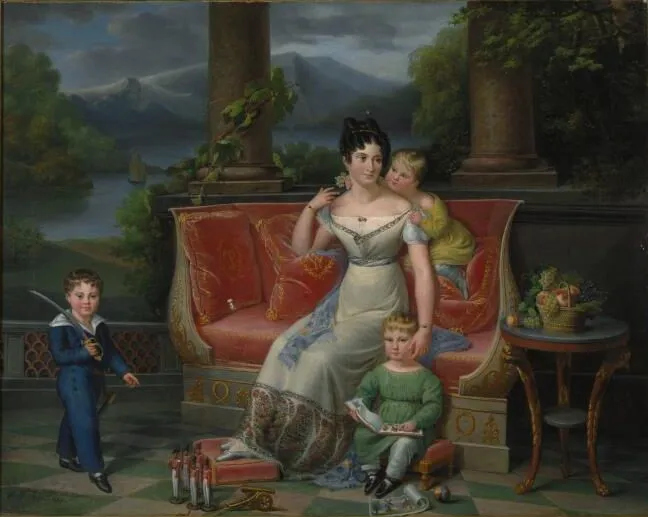
Photo: Jenny Berger-Désoras, Public domain, via Wikimedia Commons
There is a moment at every well-run event that nobody photographs: the instant a plate arrives and the guest simply knows what to do. No server reciting provenance. No card explaining the dish. No host apologising for the wait. The food lands, conversation pauses, and then resumes — richer for it.
We would argue that this moment is the true measure of a caterer. Not the tasting plate, not the proposal document, not even the final invoice. If a dish needs a speech, it has already failed a quiet but unforgiving test.
The Problem with Narrated Food
Anyone who has attended enough corporate functions will recognise the pattern. The canapé arrives balanced precariously on a napkin, and the server leans in: "It's a deconstructed — with a — reduction." The guest nods, uncertain whether to eat it or applaud it.
Some explanation is, of course, legitimate. Genuinely unfamiliar ingredients deserve context, and allergen information is non-negotiable. But too often, narration is a crutch — a way of dressing up food that hasn't earned its own keep. A well-designed canapé communicates in a single bite. Its format tells you how to eat it; its seasoning tells you whether to reach for another.
At a drinks reception in Manchester last spring, we watched two hundred guests work through a canapé menu without a single question directed at the serving staff. That silence — the good kind — is what we aim for.
Timing Is the Unsung Half of the Meal
Intuitive food is only half the equation. The other half is intuitive service, and here even excellent kitchens come unstuck.
Guests should never wonder when the next course is coming. They should never feel abandoned mid-conversation, nor ambushed by a clearing plate while they're mid-sentence. The rhythm of an event — drinks flowing into canapés, canapés ebbing into a seated dinner, dinner dissolving into coffee and small hours — should feel as natural as breathing. When it does, nobody notices. When it doesn't, everybody notices, and no amount of culinary brilliance rescues the evening.
This is why we spend as much time choreographing service as we do writing menus. A run sheet that accounts for speeches overrunning, a kitchen that can hold a dish for eight minutes without compromise, a front-of-house team that reads the room rather than the clock — these are the unglamorous mechanics behind the standing ovation.
What Planners Can Do
If you're commissioning catering for a corporate event or wedding, you needn't be a chef to brief for this. Ask your caterer three things:
1. Which dishes work without explanation? A good caterer will know instantly which items on their menu are self-sufficient. Press them on it. If everything needs describing, the menu is doing too much.
2. How do you handle the gap between courses? Vague answers here — "we're very flexible" — should prompt follow-up questions. Ask about run sheets, service ratios, and what happens if the keynote overruns by twenty minutes.
3. What will guests never need to ask about? The best caterers can answer this with confidence: where the bar is, when dinner is, what's in the food. Clarity for guests is a design decision, not an accident.
Let the Cooking Do the Talking
There is a particular British reticence that suits this philosophy well. We are, as a nation, not much given to standing ovations. Our highest compliment is often a clean plate and a second helping. Catering that meets that standard — food and service so self-evidently right that no introduction is needed — is catering worth booking.
The applause, when it comes, will be quiet. But it will be earned.