Save Room: The Case Against Cutting the Dessert Course
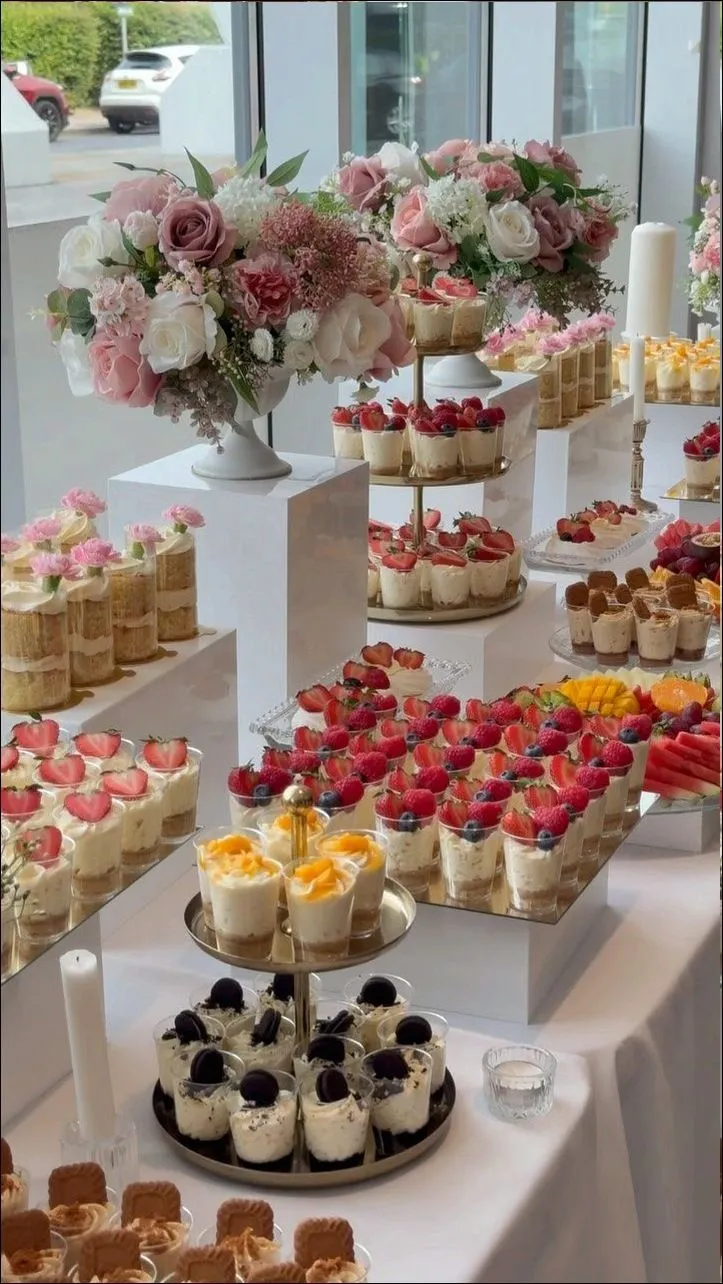
Photo: elegant miniature desserts plated event catering, via i.pinimg.com
There is a peculiar arithmetic that happens in the final weeks of event planning. The venue is confirmed, the guest list is settled, and someone — usually with a spreadsheet open and a slightly pained expression — starts looking for savings. Nine times out of ten, the answer is the same: trim the canapé count, shave the drinks package, and quietly drop the dessert.
We would like to formally object to that last one.
The Last Thing They Taste
Guests forget a great deal about an event. They will struggle to recall the table linen, the speaker, or the exact wording of the welcome. What they remember, with startling clarity, is how the evening ended. A memorable final course lingers — quite literally — in a way that the starter never can.
This is why we treat dessert as a strategic decision rather than a culinary afterthought. It is the last impression your event makes, and last impressions do the heavy lifting in post-event conversation. Nobody has ever said to a colleague, "You should have been there — the mains were superb." They say, "Wait until you hear about the pudding."
Where the Dessert Gets Squeezed
The problem usually stems from format rather than intent. In canapé-heavy receptions, guests graze so steadily that a formal sweet course feels excessive. In plated dinners running on tight schedules, dessert is the course that absorbs every delay — pushed back, rushed, or quietly swapped for coffee and a biscuit.
Then there is the budget itself. Dessert sits at the end of the menu build, which makes it feel optional in a way that the starter never does. But cutting it rarely saves as much as planners hope, and the cost to guest experience is out of all proportion to the saving.
Small Puddings, Big Impact
The good news is that a memorable finale does not require extravagance. Some of the most effective event desserts we serve are modest in cost but generous in effect:
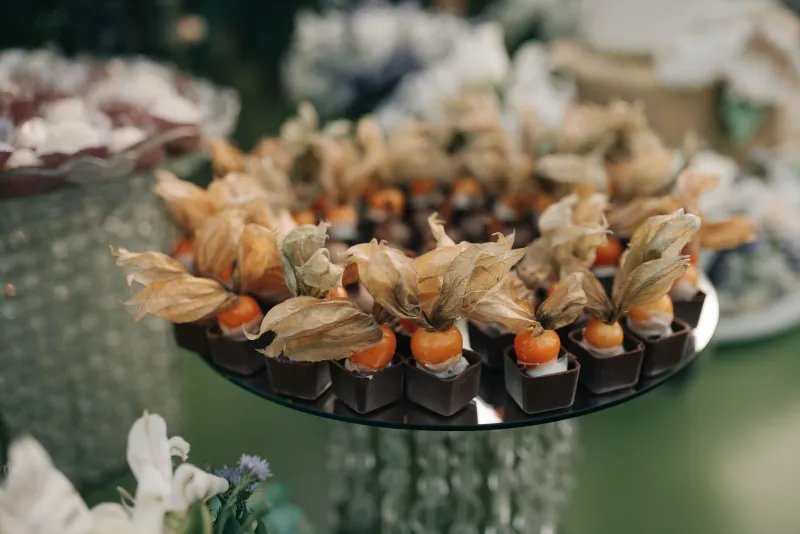
- Miniature British classics — a bite-sized sticky toffee pudding, a sharp lemon posset, an Eccles cake with Lancashire cheese — deliver nostalgia and novelty in one mouthful.
- A single shared dessert for the table reduces cost and portion anxiety while creating a moment of collective delight.
- A dessert station, where guests help themselves to petits fours or a flowing chocolate pot, turns the final course into theatre rather than logistics.
- Pairing dessert with the coffee service — a proper petit four alongside the espresso — gives the illusion of abundance at a fraction of a full course.
Each of these protects the finale without demanding a protected budget line.
Planning Backwards from the Last Course
Our advice to event planners is simple: design the menu in reverse. Decide what you want guests to leave with, then build the preceding courses to support it. A rich finale calls for a lighter main. A delicate sorbet invites a heartier centrepiece. When you plan backwards, dessert stops being the course that gets squeezed and becomes the course everything else is arranged around.
It also pays to be honest with your caterer about the budget from the outset. A good kitchen will find a way to give you a finale worth talking about — but only if they know it matters to you.
The Word-of-Mouth Dividend
For corporate events especially, the finale is an investment in reputation. Guests who leave on a high note talk, and what they talk about is your event. In a world where every delegate is a potential advocate, spending the last of your budget on the last thing they taste is not indulgence. It is strategy.
So the next time the spreadsheet demands a sacrifice, look elsewhere. Cut a canapé. Rethink the floral arrangements. But save room for dessert — because your guests certainly will.