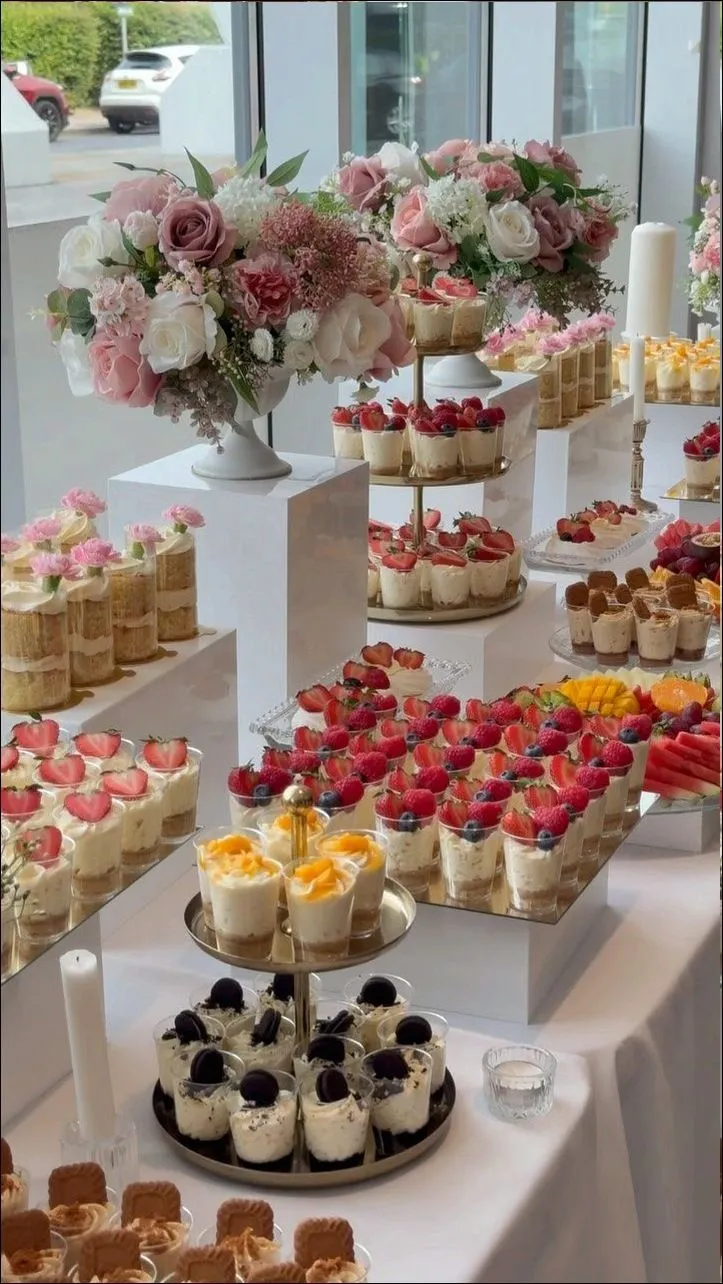
The Send-Off Supper: Giving Office Farewells the Catering They Deserve
Photo: Unknown authorUnknown author, Public domain, via Wikimedia Commons
There is a peculiar sameness to the British leaving do. A card circulates. Speeches are mumbled over a glass of warm prosecco. And somewhere in the corner of the office sits the catering: a cellophane-wrapped platter of cheese cubes, a bowl of crisps, and napkins so flimsy they disintegrate on contact with a sausage roll.
For an occasion that marks the end of someone's working chapter — sometimes after decades of service — it is a remarkably thin gesture. We would argue that the farewell buffet is the most under-catered event in the corporate calendar, and that fixing it is one of the simplest ways a business can demonstrate what it actually values.
What a Send-Off Really Says
Companies talk often about culture, but culture is legible in small moments. A colleague who has given ten years to a business will remember their final afternoon for a long time. If the send-off is a last-minute dash to the nearest supermarket chiller aisle, the message received is a subtle one: your departure is an administrative event, not a milestone.
Conversely, thoughtful catering does not need to be extravagant to land well. What matters is intention. A properly planned spread — food chosen with the leaver in mind, served with a little ceremony — transforms a slightly awkward hour of small talk into a genuine occasion. Guests notice. So does everyone else in the building, including the ones quietly wondering what their own leaving do might look like one day.
Match the Format to the Mood
Not every farewell calls for the same treatment, and the right format depends on the tone of the occasion.
The afternoon gathering. For a leaver's last day marked by a 4pm toast, a grazing-style selection works beautifully: artisan breads, quality charcuterie, British cheeses, and a few considered vegetarian and vegan options so nobody hovers at the edge of the table. Keep it elegant but unfussy — people want to talk, not queue.
The retiree's farewell. Someone departing after twenty-five or thirty years warrants something more formal. A seated afternoon tea, or a short plated service with two or three courses, gives colleagues the structure to make speeches properly and gives the guest of honour a moment that feels earned.
The whole-team send-off. When a popular manager departs and the entire floor turns out, street food or a generous fork buffet scales well. Think British seasonal produce — a winter menu of slow-braised dishes and warming puddings, or a summer spread built around everything the growing season does best.
Catering for Every Budget
A frequent objection is cost, and it is a fair one. But farewell catering is less about spend than about allocation. A modest budget spent on fewer, better items — one excellent pie rather than three mediocre quiches — will always outperform a sprawling table of forgettable food.
Consider, too, what under-catering costs invisibly. A poor send-off is noticed by the staff who remain, and morale is a line item whether finance tracks it or not.Handled well, the leaving do becomes a small but genuine retention signal: this is a place where people are valued at the end, not just recruited at the beginning.
Making It Personal
The most memorable farewell spreads we have catered have all had a personal thread running through them. The leaver's favourite pudding recreated by the pastry team. A cheese board drawn from the county where they grew up. A nod to the canteen lunch they ordered every Tuesday for a decade.
These touches cost little. They simply require someone to ask the question — and to give the caterer enough notice to answer it properly. Six to eight weeks is comfortable; even a fortnight allows for something considered.
A Final Word
Nobody expects a leaving do to rival a wedding. But a colleague's last day is a moment of transition, and transitions deserve marking. Swap the limp platters for food with thought behind it, and the farewell becomes something the leaver carries with them — and something the team still here will quietly take note of.
After all, the truest measure of a workplace is not how it welcomes people in. It is how it sends them out.