Same Venue, Second Sitting: Winning the Multi-Day Catering Marathon
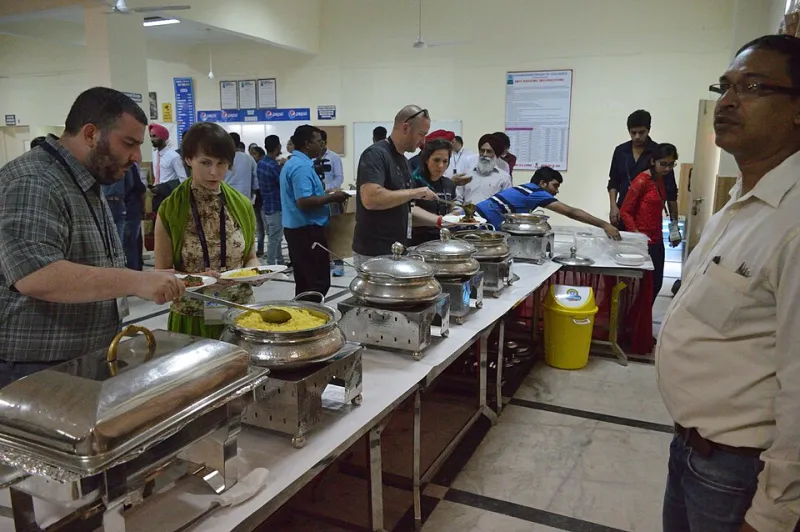
Photo: Biswarup Ganguly, CC BY 3.0, via Wikimedia Commons
Ask any seasoned conference organiser where their event is won or lost and they will rarely point to the opening drinks reception. They will point to the middle. The second morning of a multi-day event is when the novelty has worn off, the delegates are tired, and the catering trolley rolls out looking suspiciously familiar. Get it wrong, and the whispers start in the coffee queue. Get it right, and nobody mentions the food at all — which, in catering terms, is often the highest compliment going.
The Welcome Dinner Fallacy
There is a natural instinct, when budgeting a two or three-day event, to load the spend towards the front. The arrival evening gets the canapés, the plated starter, the dessert with a decorative tuile. By day two, the remaining budget is stretched across a working lunch that all too often becomes a sandwich platter and a bowl of fruit.
Delegates notice. Not consciously, perhaps, but the shift in quality sends a message: the effort has peaked, and everything from here is administration. For a residential conference, a multi-day wedding celebration or a corporate retreat, that message can quietly undermine months of careful programming.
The solution is not to spend more — it is to spend differently, and to plan the two days as a single narrative rather than two separate briefs.
Design the Menus in Conversation With Each Other
The most common failure we see is what delegates call 'the same buffet, different room'. Roasted Mediterranean vegetables appear at Thursday's lunch and Friday's lunch, wearing a slightly different dressing. The bread selection hasn't changed. The fruit bowl is identical, minus the pieces people actually ate.
Avoiding this trap requires the caterer to see both days side by side at the planning stage. Some principles we apply:
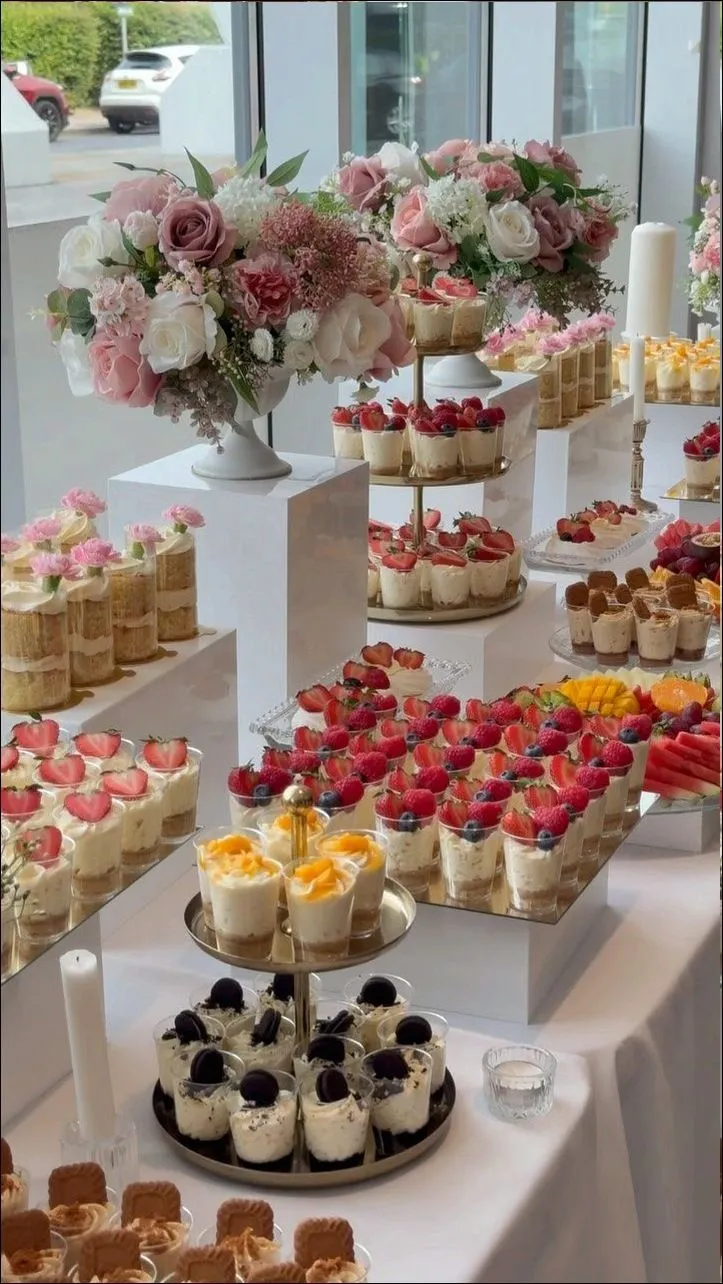
- Vary the format, not just the food. If day one is a plated lunch, make day two a grazing spread or a street-food style station. Changing the delivery mechanism makes familiar ingredients feel new.
- Move across cuisines or seasons. A British-led menu on day one — perhaps a proper ploughman's-style spread — can hand over to something warmer and spicier on day two without either feeling like a departure.
- Never repeat a protein. Chicken at both lunches is the fastest route to catering fatigue. It sounds obvious; it happens constantly.
- Think about breakfast continuity. A heavy cooked breakfast followed by a heavy lunch leaves a room full of delegates who want a nap, not a workshop. Lighter mornings buy you appetite back for lunch.
The Logistics Nobody Budgets For
Multi-day catering carries practical complications that single-day events never present, and they deserve honest planning.
Cold storage and kitchen access. Overnight storage of fresh produce, chilled items and prepared components depends entirely on the venue. A hotel with full kitchen facilities is a different proposition from a stately home where the caterer is working from a marquee kitchen. Confirm what can be held overnight and what must be freshly sourced each morning.
The wasteful final morning. On the last day, delegates are checking out, travelling and distracted. Ordering the same covers as day two guarantees waste. We typically recommend reducing lunch covers by ten to fifteen per cent for final mornings, and building a menu that travels well — items delegates can wrap in a napkin and take to the platform.
Staff continuity. A rotating cast of waiting staff means re-briefing every day and a service that never quite settles. Where possible, we keep the same team across consecutive days; by lunch on day two they know the room, the timings and the dietary list by heart.
Saving Money Without Looking Like It
Budget pressure usually bites hardest on days two and three. There are legitimate ways to trim without the visible decline:
- Swap service style, not quality. Moving from plated to family-style or bowl food reduces staffing and covers costs while often improving the atmosphere.
- Consolidate dietary catering. A single well-designed plant-based dish that most guests happily eat costs far less than parallel vegetarian, vegan and gluten-free lines across multiple days.
- Rethink the afternoon. The mid-afternoon biscuit assortment is a ritual, not a requirement. A single well-baked item — a proper flapjack, a good shortbread — outperforms a supermarket variety pack on both cost and impression.
- Negotiate the whole programme. Caterers can plan purchasing far more efficiently across a multi-day booking than across separate events. That efficiency should be reflected in the quote; if it isn't, ask.
A Note for Multi-Day Weddings
While this discipline matters most in the corporate world, residential weddings face the same challenge. The wedding breakfast is planned to the last canapé; the following morning's recovery brunch and the farewell lunch are afterthoughts. Yet these are the meals guests remember most fondly — relaxed, unhurried, and judged purely on whether they were fed well. Treat them with the same seriousness as the main event, and the whole celebration feels considered from arrival to departure.
Plan the Arc, Not the Days
The organisers who succeed at multi-day catering are those who brief the caterer on the full arc: who is attending, what happens between meals, when energy dips, and what the event needs the food to achieve. Day one should open the story; day two should develop it. Delegates may never articulate why the second day felt better handled — but they will leave with the impression of an event that was thought through to the very last plate.
If you are planning a multi-day conference or residential event and want a catering partner who plans the whole programme rather than a sequence of lunches, we would be glad to talk it through.